Not every water heater problem is an emergency, but the ones that are get more expensive with every minute. The classic example is a ruptured tank. Because the cold inlet stays connected to a failed tank, the leak does not end when the heater is empty; it can keep going until someone closes a valve, soaking subfloors, carpet, and ceilings below. Other urgent signs include a relief valve that is releasing water again and again, which means the tank is running too hot or at too much pressure, water at the tap that is suddenly scalding, and a rotten-egg odor near a gas unit. For homeowners in Rochester, MN, any of these deserves a phone call right away rather than a wait-and-see approach.
Safety comes before the phone call to us. If you smell gas, get everyone outside immediately, do not flip light switches or unplug anything on the way out, and call your gas utility or 911 from outside. Once gas is ruled out, close the cold-water shutoff on the line feeding the heater; if it is stuck or out of reach, shut the main water valve for the house. On a gas unit, set the gas control to OFF. On an electric unit, switch off its breaker, and never touch the panel while standing in water. If the relief valve is discharging, leave it open and never plug its pipe, because that valve is the only thing keeping an overheated tank from failing violently. Then call (507) 243-0428 and our team will pick it up from there.
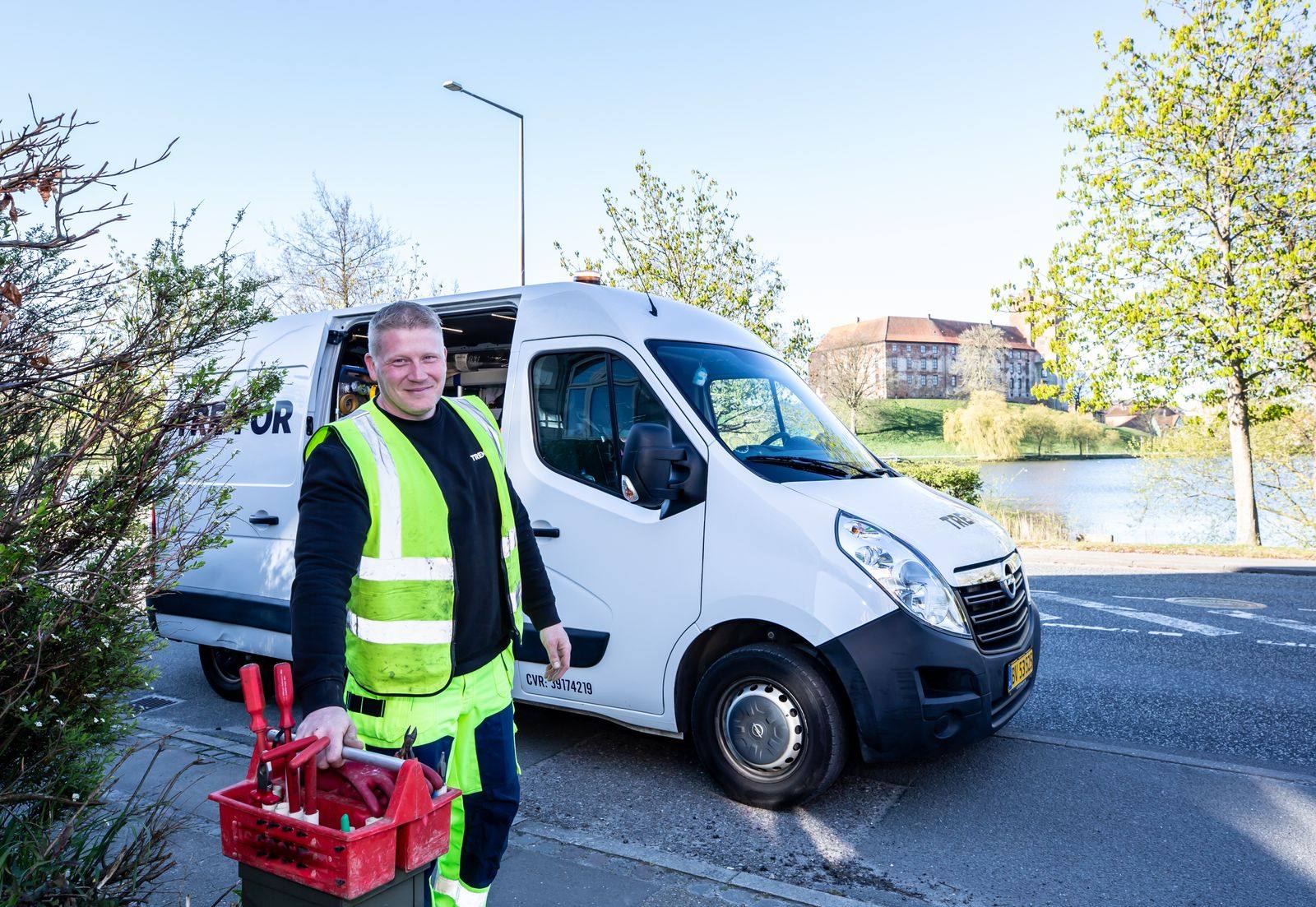
Our part of the job begins the moment you call (507) 243-0428. Whoever answers walks you through isolating the heater, confirms the leak has actually stopped, and gives you a realistic window for a technician instead of a guess. Once we arrive, safety checks come first: water, gas or power, and venting. Then we diagnose. A failed relief valve, a leaking drain valve, a corroded supply fitting, or a burned-out element can usually be replaced the same visit because those parts ride on the truck. If the tank has rusted through, no repair will hold, and we tell you so plainly before walking through replacement choices. Homeowners across Rochester call us for exactly these moments.
What homeowners call us about most is Water Heater Repair in Rochester. That's the place to start for most homes.
When to Call for Emergency Water Heater Repair
Catching a symptom early is often the difference between a quick part swap and a tank that gives out on the garage floor. Here are the most common indicators that it's time to call a professional:
- A complete loss of hot water throughout the house
- Loud popping, banging, or rumbling from the tank that has gotten worse quickly
- The smell of gas near the unit, a situation that calls for evacuating and phoning the utility or 911
- An electric water heater that keeps tripping its circuit breaker
- Water or steam coming from the temperature and pressure relief valve or its discharge pipe
- Tap water hot enough to burn, even at the usual setting
- Standing water around the water heater that returns after you wipe it up
- Black soot or heat discoloration around the burner door or draft hood
Small Symptoms, Big Consequences
Tanks rarely fail all at once. They corrode from the inside for months, and the warning signs show up long before the floor gets wet. At the first hint of a problem, reach out to Rochester Water Heater at (507) 243-0428 and we'll take a look.
Frequently Asked Questions About Emergency Water Heater Repair
Why Professional Emergency Water Heater Repair Matters
It is tempting to treat a leaking or dead water heater as a quick fix. In reality, you may be dealing with standing water beside 240-volt wiring, a gas supply and live burner a few inches from a puddle, and a tank of very hot water under pressure. The relief valve, if it is firing, is the final line of defense between an overheated tank and a violent failure, and plugging it is one of the most dangerous things anyone can do to a heater. Relighting a pilot while gas lingers, or cranking on a corroded fitting until it snaps, can make things much worse. Leave, shut off, and call is the right sequence for anyone without the tools and training.
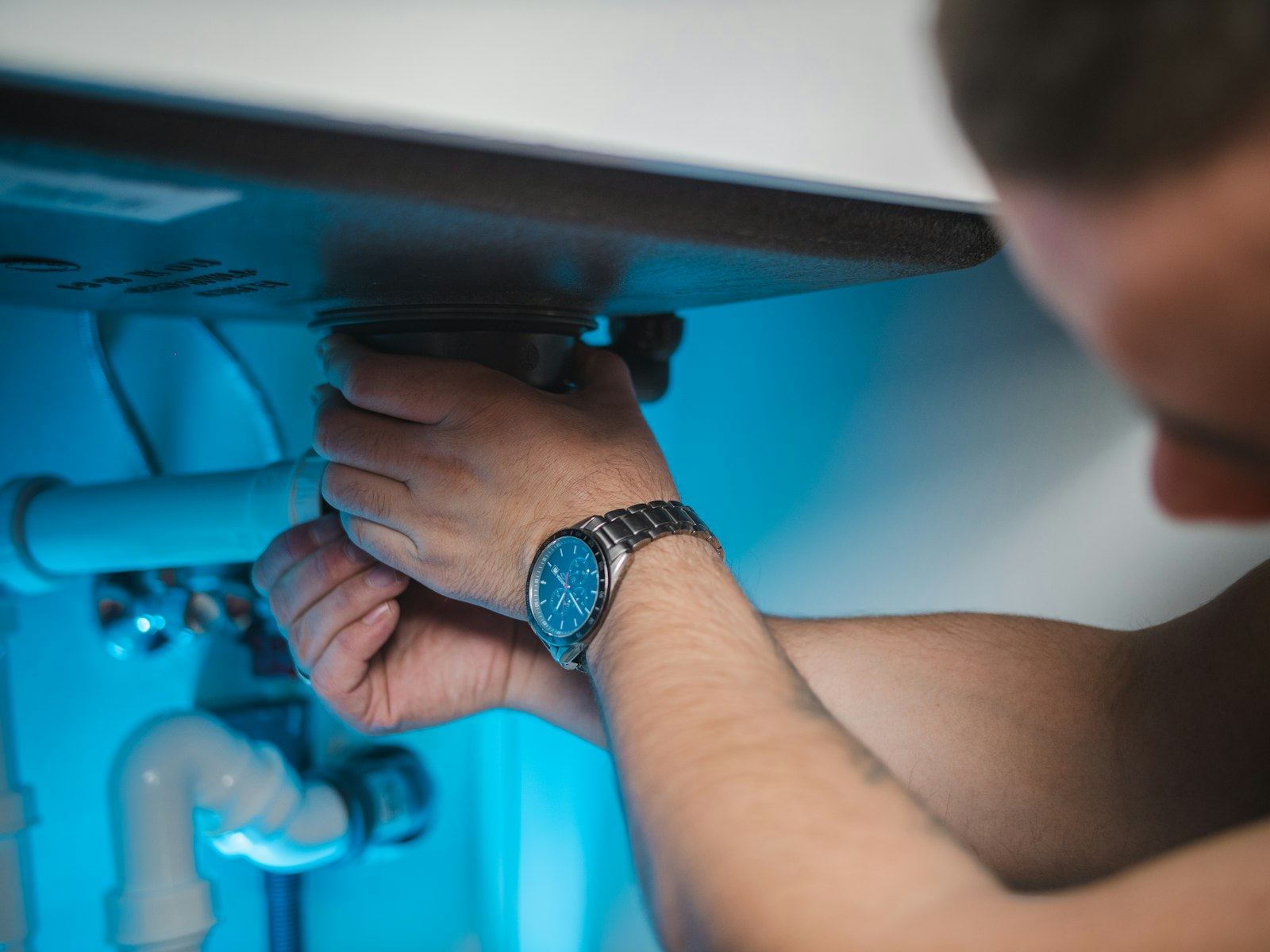
What does a professional add in the middle of an emergency? Certainty and safe sequencing. We verify the shutoffs, test for gas leaks with real instruments, and confirm the area is safe for electrical work. Then we find the root cause. A discharging relief valve often means high street pressure or no room for thermal expansion; a puddle might be a drain valve, a dielectric fitting, condensation, or a failed tank; a cold house may trace back to a thermocouple, an element, or a tripped high-limit switch. No two of those share a fix. We repair what can honestly be repaired, and when the tank is the problem, we explain your replacement options without pressure.
From Your Call to Hot Water
Good water heater work comes down to a consistent routine, and ours starts with a real diagnosis instead of a guess. Here's a look at each step our team takes:
Phone Triage & Shutoff Help
On the call, we check for any gas odor first, then guide you to the cold-water valve and the heater's gas control or breaker so the damage stops growing while help is on the way.
Dispatch & Site Safety
You get a straight answer on timing, not a promise we cannot keep. Once on site, we check the shutoffs, the gas or electrical supply, and the vent before touching the heater itself.
Find the Failure, Fix It
If a component failed, we replace it right there. If the tank itself is leaking, we show you why a patch will not hold and walk you through replacement options and pricing.
Safe Restart
Restarting correctly matters. We fill the tank before power or gas returns, check fittings and the relief valve for leaks, verify draft on gas units, and leave the thermostat near 120F.
Questions About Emergency Water Heater Repair?
Call Rochester Water Heater to talk through your situation with an experienced technician.
Tap to Call (507) 243-0428Simple Ways to Extend Your Water Heater's Life
Most of the failures we see could have been delayed for years with basic upkeep. Here are our recommendations:
- Tag the water heater supply valve and the main shutoff so nobody has to search during a leak
- Annual flushing keeps sediment from causing the rumbling and hot spots that lead to leaks
- Keep the thermostat near 120F to limit scalding and reduce strain on the tank
- Consider an automatic leak shutoff that stops the cold supply the moment water hits the floor
- Put the heater in a drain pan piped to a floor drain or the exterior where the setup allows
- Check the temperature and pressure relief valve each year so you know it will work when it matters
- Keep boxes, paint, gasoline, and cleaning products well away from a gas water heater
Should You DIY or Call a Pro?
Online videos may help in a pinch, yet lasting repairs and code-compliant installs depend on correct venting, proper relief valve discharge piping, and a trained technician. Consider the following comparison:
| Factor | DIY Attempt | Professional Service |
|---|---|---|
| Gas Safety | Lingering near a possible leak | Evacuate, utility clears it, then leak testing |
| Stopping the Leak | Seized valves forced until they break | Supply isolated fast, stuck valves handled safely |
| T&P Discharge | Valve ignored or blocked off | Root cause measured and corrected |
| Power & Water | Resetting breakers while the floor is wet | Power tested off and area made dry and safe |
| Diagnosis | Symptom treated, source unknown | Tested, not guessed |
| Result | Problem likely to return | Hot water back and connections proven dry |
Talk to Our Emergency Water Heater Repair Team
The sooner you call, the sooner the hot water is back. Reach Rochester Water Heater for fast service.
Tap to Call (507) 243-0428Emergency Water Heater Repair Near Rochester
We bring emergency water heater repair to homes and businesses in town and across the nearby communities. Pick your area to see local details.